Why Strata Buildings in Sydney Get Repeated Complaints (And How to Stop Them)
“Most strata complaints are not about big problems. They are about small issues repeated too many times.”
Managing a strata building in Sydney is not just about maintaining the property. It is about managing expectations, protecting standards, and preventing small issues from becoming ongoing frustrations. If you have ever worked with strata properties, you know that complaints rarely appear overnight. They build slowly, often triggered by the same small problems happening again and again.
Why Strata Buildings in Sydney Get Repeated Complaints (And How to Stop Them)
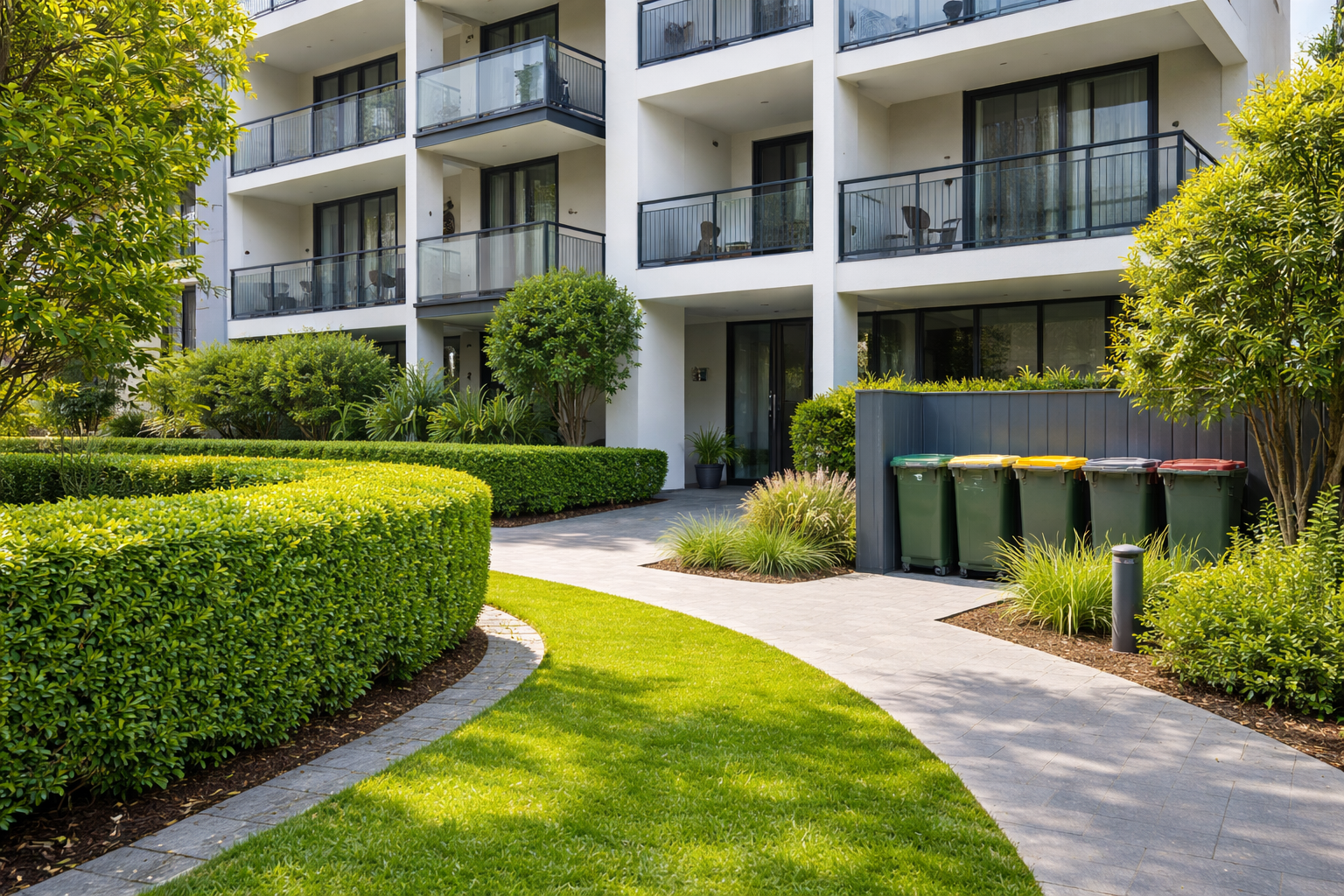
One overflowing bin area. A garden that looks slightly neglected. Leaves piling up near entryways. Dirty common areas that feel inconsistent. Each issue on its own may seem minor. But when residents see the same things repeated, they begin to feel unheard. Over time, frustration grows, emails increase, and what could have been simple maintenance adjustments turn into regular complaints.
Sydney’s strata buildings face constant pressure. High density living, shared facilities, busy residents, changing tenants, unpredictable weather, and heavy daily usage of common areas all create ongoing wear and tear. Without consistent systems in place, even well managed buildings can start to slip.
The truth is that most repeated complaints are not about major structural problems. They are about consistency, communication, and visible care. In this blog, we will break down the most common reasons strata buildings in Sydney receive repeated complaints and explain how to prevent them before they become patterns.
🗑️ Overflowing Bin Areas and Waste Mismanagement
One of the most common complaint triggers in strata buildings is waste management. Bin areas are shared spaces, which means they fill up quickly and are heavily used. When bins overflow, smell unpleasant, or look disorganised, residents notice immediately.
In Sydney, waste volumes fluctuate constantly. Move ins, renovations, seasonal clean outs, and public holidays can cause bins to fill faster than expected. If collection schedules are not adjusted accordingly, overflow becomes inevitable. Residents begin reporting the issue, and if it happens again, frustration builds.
The problem is rarely the bins themselves. It is the lack of active monitoring. When no one is checking bin levels regularly, coordinating collections, and cleaning the surrounding area, the waste zone becomes a visual reminder that maintenance is inconsistent.
Proper bin management includes routine checks, cleaning, and flexibility during high volume periods. When waste areas are consistently clean and organised, complaints decrease significantly.
🌿 Untidy Landscaping and Overgrown Gardens
Another frequent source of repeated complaints is poorly maintained landscaping. Gardens are one of the first things residents and visitors see when entering a strata building. If hedges are overgrown, lawn edges are messy, or dead plants remain in garden beds, the property begins to look neglected.
Sydney’s climate causes plants to grow quickly during warmer months. Hedges expand, weeds spread, and green waste accumulates faster than many people expect. If landscaping is only addressed occasionally instead of routinely, small issues turn into visible deterioration.
Residents often interpret untidy landscaping as a sign that management is not proactive. Even if internal operations are running smoothly, exterior neglect changes perception. Regular hedge trimming, removal of dead plants, consistent lawn edging, and proper green waste cleanup maintain a polished look that reduces dissatisfaction.
When landscaping is structured and consistent, it sends a message that the building is cared for. That visible attention prevents repeated complaints before they start.
🧼 Inconsistent Cleaning of Common Areas
Shared hallways, entryways, stairwells, and lift areas are high traffic zones. When cleaning schedules are inconsistent, residents quickly notice. Dust accumulation, stained surfaces, fingerprints on glass, and dirty floors create the feeling that maintenance standards are slipping.
In strata buildings, consistency matters more than perfection. Residents do not expect luxury hotel level cleaning every day. What they expect is reliability. When surfaces are cleaned on schedule and standards remain steady, trust builds.
Sydney’s weather adds to the challenge. Rain brings mud, wind brings debris, and heavy foot traffic increases wear. Without a cleaning plan that adapts to seasonal conditions, common areas deteriorate faster than expected. Repeated complaints often arise not because cleaning is absent, but because it is irregular.
A clear routine that includes internal cleaning and external upkeep keeps standards predictable. Predictability is what reduces complaints.
🍂 Poor External Maintenance After Weather Events
Sydney’s unpredictable weather can create sudden maintenance issues. Heavy rain leads to blocked gutters. Strong winds scatter debris across pathways. Storms cause branches to fall into shared areas. If these issues are not addressed quickly, residents begin to feel that maintenance is reactive rather than proactive. After weather events, residents are already alert to potential hazards. Slippery walkways, clogged drains, or uncollected debris raise safety concerns. When these issues linger, complaints follow.
The key to preventing this pattern is having a responsive maintenance plan. External areas should be inspected after storms, debris cleared promptly, and hazards removed quickly. When residents see immediate action, their confidence in management increases. External maintenance is not just about appearance. It is about safety and reassurance. A quick response after weather events prevents repeated frustration.
🚶 Slippery Walkways and Safety Concerns
Safety concerns often generate repeated complaints because they feel urgent and personal. Moss on pathways, wet leaves on tiled areas, poor lighting, and uneven surfaces are common in strata buildings. In shaded areas of Sydney properties, moisture encourages algae growth, which makes surfaces slippery. Residents who slip or almost slip are far more likely to escalate complaints. Even near misses create anxiety.
Regular external cleaning, pressure washing, and pathway maintenance reduce these risks significantly. Addressing safety proactively not only prevents accidents, it reduces the emotional response that often fuels ongoing complaints.
Residents feel more secure when hazards are clearly managed. That security lowers tension and builds trust.
📢 Lack of Communication About Maintenance
Sometimes complaints are not about the maintenance itself, but about the lack of visible communication. When residents do not know when cleaning, landscaping, or bin management is scheduled, they assume nothing is being done.
Clear communication about maintenance routines helps manage expectations. Even a simple notice informing residents about scheduled landscaping or bin area cleaning reassures them that standards are being maintained.
In Sydney strata buildings, where residents have busy schedules, communication bridges the gap between action and perception. Visible systems create confidence. Confidence reduces complaints.
🔁 The Pattern of Repetition
The most important factor behind repeated complaints is repetition. When residents experience the same issue multiple times, their tolerance decreases. What could have been resolved quietly becomes a recurring problem. The solution is not overreacting to every complaint. It is identifying patterns early. If bin overflow happens during public holidays, adjust schedules.
If landscaping looks untidy during growth seasons, increase frequency. If walkways become slippery in winter, schedule preventative cleaning. Breaking the cycle requires consistency. Once residents notice that problems are resolved before they escalate, complaints naturally decline.
🏢 How to Stop Repeated Complaints for Good
Stopping repeated complaints in strata buildings is not about doing more. It is about doing the right things consistently. Structured cleaning schedules, proactive landscaping, responsive external maintenance, and proper waste management form the foundation of complaint prevention. When systems are in place, issues are addressed before residents feel the need to raise them, the building looks maintained, feels safe, and operates smoothly. That stability reduces friction between management and residents.
In Sydney’s high density environment, expectations are high, residents want to feel that their building is cared for. When maintenance is visible, consistent, and proactive, complaints decrease significantly.
Final Thoughts
Strata buildings in Sydney receive repeated complaints not because management does not care, but because small maintenance gaps accumulate over time. Overflowing bins, untidy gardens, inconsistent cleaning, and slow responses to external issues gradually shape perception. The good news is that most of these problems are preventable with structured, proactive maintenance systems. Consistency builds trust. Visibility builds confidence. And prevention reduces friction.
At All Inclusive Care, we support strata and commercial properties with structured cleaning, bin management, gardening, and external maintenance plans designed to prevent complaints before they start. Our goal is simple. Keep shared spaces clean, safe, and professionally maintained year round.
👉 Curious how much it would cost to reduce complaints and maintain your strata building consistently? Click here to Get a free quote today and let’s build a maintenance plan that works.