What Residents Notice First When Arriving Home
Property Management, Resident Experience
“Residents may not remember every maintenance task, but they always remember how a property makes them feel.”
Every time residents come home, they walk through a quiet but powerful story you’ve created: the entrance they step through, the landscaping they pass, the pathways they follow, and the tiny details that whisper either “you’re cared for” or “no one’s paying attention.” Those first few moments shape how people feel about their home, their neighbors, and even your management team. Let’s explore what residents really notice first and how you can make every arrival feel like a warm welcome.
What Residents Notice First When Arriving Home
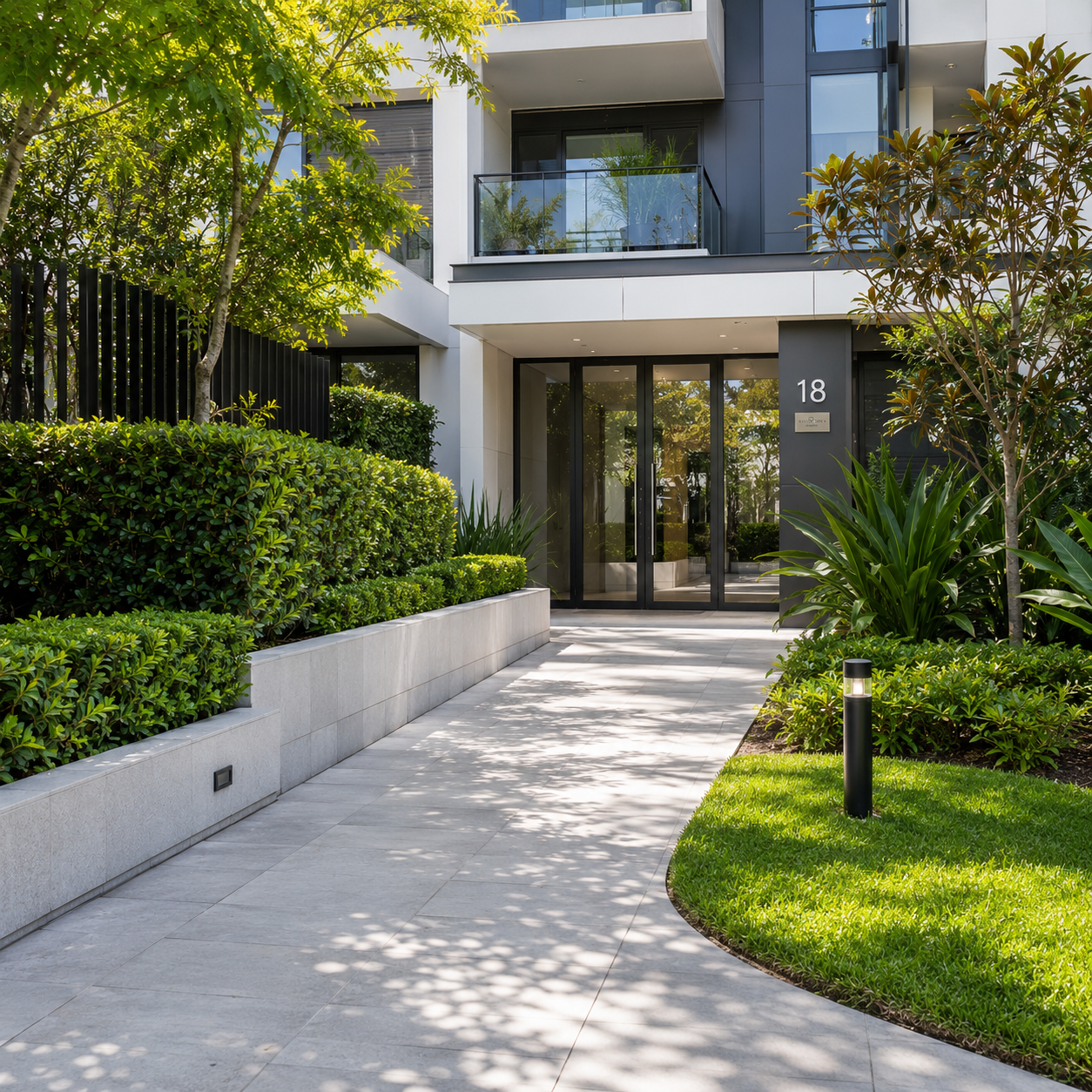
Long before residents step inside their unit, they’re already forming an emotional reaction at the entrance. This is the handshake, the first “hello” after a long day at work, running errands, or dropping kids off at school. A clean, organized, and inviting entrance tells residents, without words, that they’re coming back to a place that’s safe and cared for.
Residents notice if the front doors are smudged or gleaming, if the entry mat is worn out or freshly placed, and whether the name of the community or building is clearly visible and in good repair. Peeling paint, crooked signage, or cluttered vestibules send a subtle message that maintenance is reactive instead of proactive. On the other hand, a polished door, a working intercom, and a clutter-free lobby or porch say, “Someone is taking care of this place – and by extension, taking care of you.”
💡 Friendly Tip: Walk through your entrance as if you were a tired resident coming home at 7 p.m. What would instantly lift your mood, and what would annoy you?
Landscaping: Quiet Beauty That Sets the Tone
Landscaping is often the first thing residents see as they approach from the street or parking area. Even if they don’t consciously analyze every tree and shrub, they absolutely feel the difference between a thoughtfully maintained landscape and one that’s been left to fend for itself. Trimmed hedges, healthy grass, and seasonal flowers create a sense of pride and calm. Overgrown bushes, bare patches, or dead plants do the opposite, signaling neglect and instability.
Warm, neutral-toned landscaping elements, like natural stone borders, tan-colored mulch, and soft outdoor planters complement the architecture and make the property feel grounded and welcoming. Residents don’t need a lavish garden; they just need to see that what’s there is cared for. A few well-placed shrubs, regularly watered plants, and clean lawn edges go a long way toward creating that “I’m glad I live here” feeling as they pull in or walk up to the building.
📌 Key Takeaway: Consistency matters more than complexity. Simple landscaping, maintained regularly, beats a fancy design that’s clearly been forgotten.
Pathways: The Daily Journey That Shapes Perception
Every resident follows a path to reach their front door, whether it’s a sidewalk, a hallway, a stairwell, or a combination of all three. These pathways are more than just functional routes; they are emotional transitions from the outside world to the comfort of home. Cracked pavement, uneven steps, or dimly lit corridors can make that journey feel stressful, even if residents don’t say it out loud. Smooth, clean, and clearly marked pathways, on the other hand, create a sense of ease and safety every single time they’re used.
Think about what residents see at their feet. Are there leaves, trash, or stray pebbles scattered along the way? Are handrails solid and clean? Are hallway floors scuffed or sticky? These details influence how residents judge the overall quality of the community. A well-maintained path tells them, “We expect you to walk here every day, and we’ve made sure it’s a pleasant experience.”
⚠️ Friendly Warning: Small trip hazards or poorly lit steps don’t just affect safety; they also erode trust in your commitment to residents’ well-being.
Windows: The Eyes of the Building (and a Mirror of Care)
Windows are often described as the eyes of a home, and residents notice them more than you might think. From the outside, clean, intact windows suggest clarity, openness, and attention to detail. From the inside, they frame views of the community grounds and the world beyond. When residents return home and see streaky glass, broken blinds, or mismatched curtains hanging at odd angles, it subtly communicates disorder and lack of oversight, even if the rest of the property is in good shape.
Regular window cleaning, prompt repair of damaged screens, and clear guidelines for exterior-facing window coverings can transform the entire look of a building. Uniform, neutral-toned blinds or curtains create a cohesive, calm appearance that residents feel proud of when they pull into the parking lot. It’s a visual signal that everyone is part of the same community, and that management cares about both individual comfort and shared aesthetics.
Waste Areas: The Hidden Detail That Speaks Loudly
Trash and recycling areas may not be glamorous, but they have an outsized impact on how residents feel when they arrive home. Many residents pass dumpsters or waste enclosures on their way in, and if those areas are overflowing, smelly, or messy, it creates an immediate sense of discomfort. Even if residents understand that trash happens, they still want reassurance that it’s handled in a clean, respectful way.
Enclosing dumpsters, providing clearly labeled bins, and scheduling regular cleanups can completely change the story these spaces tell. When waste areas are tidy and well-organized, residents feel that their health and comfort are a priority. It also encourages them to follow the rules, place trash where it belongs, and keep the community looking good. In contrast, a single missed pickup or constantly cluttered area can quickly become a symbol of “no one cares,” which is the last message you want residents to take home with them.
💡 Friendly Tip: Treat waste areas like any other shared amenity. Clear signage, enough capacity, and regular cleaning turn a potential eyesore into a non-issue.
Lighting: Safety, Comfort, and Mood in a Single Switch
For many residents, their main arrival time is after sunset. That means lighting is one of the very first things they truly experience each day. Well-placed, warm-toned lighting along entrances, pathways, parking areas, and common doors creates an atmosphere of security and welcome. It helps residents see clearly, navigate safely, and feel at ease bringing in groceries, walking pets, or coming home late from work or social events.
Burned-out bulbs, harsh flickering lights, or dark corners send a very different message. Even if crime is not an issue, poor lighting can increase anxiety and make residents feel exposed or uneasy. Warm neutral lighting – think soft golds rather than stark blue-white complements both the building’s exterior and residents’ natural desire for coziness at the end of the day. When lighting is thoughtfully designed and consistently maintained, residents feel that the community is looking out for them, even when no staff member is physically present.
📌 Key Takeaway: Walk the property at night regularly. What feels safe and inviting in daylight can feel very different after dark.
Small Details: The Little Things Residents Notice Every Day
While big features like landscaping and lighting set the stage, it’s the small details that often stick in residents’ minds. These are the tiny visual cues they see every time they arrive home: door numbers that are straight and easy to read, mailboxes that close properly, clean stair rails without sticky residue, and mats that aren’t frayed or curled at the edges. None of these items are particularly expensive, but together they create a powerful impression of care, order, and respect for residents’ daily routines.
Even the way community notices are posted matters. Neatly framed or consistently formatted announcements at entrances and mail areas feel intentional and respectful. Torn, taped-up papers or outdated signs suggest disorganization. Fresh paint on railings, clean door hardware, and a neutral, coordinated color palette all contribute to a sense of calm and stability. When residents see that the “little things” are handled well, they naturally assume the big things, like building systems and safety, are also under control.
💡 Friendly Tip: Create a “first 30 seconds” checklist that covers only what residents see from their car door to their front door. Review it weekly.
Consistency in Maintenance: The Real Secret Behind Great First Impressions
A property doesn’t have to be brand new to feel well cared for. What residents truly respond to is consistency. Regular mowing, predictable trash pickup, scheduled pressure washing, and routine light checks all build trust over time. When residents see that the entrance looks just as good on a rainy Tuesday as it does on a sunny Saturday, they start to relax. They no longer wonder, “Will this place still look nice in six months?” because they can see that maintenance is part of the culture, not a one-time event before leasing season.
Inconsistent maintenance, on the other hand, creates emotional whiplash. If the property looks great right after a big cleanup but quickly slips back into clutter or disrepair, residents may feel misled or taken for granted. They begin to question whether other promises, about response times, safety, or amenities, will also be hit-or-miss. Consistency doesn’t mean perfection; it means having clear standards and sticking to them week after week. This steady reliability is one of the strongest ways to support residents’ long-term satisfaction and loyalty.
📌 Key Takeaway: A simple, repeatable maintenance plan beats occasional “makeovers.” Residents notice patterns more than isolated efforts.
The Psychology of Visual Cues: Why These Details Matter So Much
All of these elements: entrance, landscaping, pathways, windows, waste areas, lighting, and small details, work together to create a powerful set of visual cues. Our brains are wired to make quick judgments based on what we see, especially in places that matter to us, like home. Residents might not be able to explain exactly why a certain building feels welcoming and another feels stressful, but their brains are constantly collecting clues: Is it clean? Is it safe? Is it cared for? Do I belong here?
Positive visual cues, like tidy flower beds, consistent lighting, and clean entryways signal stability and reliability. They reduce low-level stress and help residents shift from “alert” mode to “relax” mode as they arrive home. Negative cues, overflowing trash, peeling paint, or dark corridors can trigger the opposite response, raising anxiety and frustration even if nothing “bad” has happened. Over time, those daily micro-experiences add up, shaping how residents talk about your community, how likely they are to renew, and whether they recommend the property to friends and family.
Warm neutral tones, in particular, play a subtle but meaningful role in this psychology. Soft beiges, gentle browns, and muted golds feel grounded, calm, and timeless. When used in entrances, lighting, and exterior finishes, they create a sense of comfort that residents may not consciously name but definitely feel. It’s the difference between arriving at a place that feels harsh and temporary versus one that feels like a long-term home.
💡 Friendly Tip: Think of every visual cue as a message. Ask yourself, “What is this corner, this sign, or this light telling residents about their home?”
Bringing It All Together: Designing a Welcoming Arrival Experience
When you step back and look at the big picture, what residents notice first when arriving home isn’t just one thing. It’s the combination of many small choices, repeated consistently over time. A clean, clearly marked entrance sets the stage. Thoughtful landscaping softens the approach. Smooth, well-lit pathways guide residents safely to their door. Clean windows, tidy waste areas, and carefully maintained small details all reinforce the message: “You matter here. Your home matters here.”
For individuals and property teams alike, the goal isn’t perfection; it’s intention. By paying attention to the entrance, landscaping, pathways, windows, waste areas, lighting, and small details and by maintaining them consistently, you’re not just managing a building. You’re shaping how people feel at one of the most important moments of their day: the moment they come home. And when that moment feels warm, safe, and welcoming, everything else about living in the community becomes just a little bit better.
So the next time you walk through your property, try to see it through a resident’s eyes. Notice what they notice first: the entrance, the landscaping, the pathways, the windows, the waste area, the lighting, and all those tiny details. Each one is a chance to say “welcome home” without speaking a word and to build the kind of everyday satisfaction that keeps residents feeling proud of where they live.