
🧼 How Often Should You Pressure Wash Your Driveway and Outdoor Areas?
Dirt does not arrive all at once. It arrives so gradually that you stop seeing it, until the day it is gone.
If you cannot remember your driveway's original colour, this article is overdue.
Here is a small experiment you can do right now: find a photo of your property from a few years ago and compare the driveway with what you see today. Most people are surprised. Concrete that started off pale grey is now several shades darker, the paths carry grey green tinges in the shaded corners, and the entrance no longer looks quite as crisp as it once did.
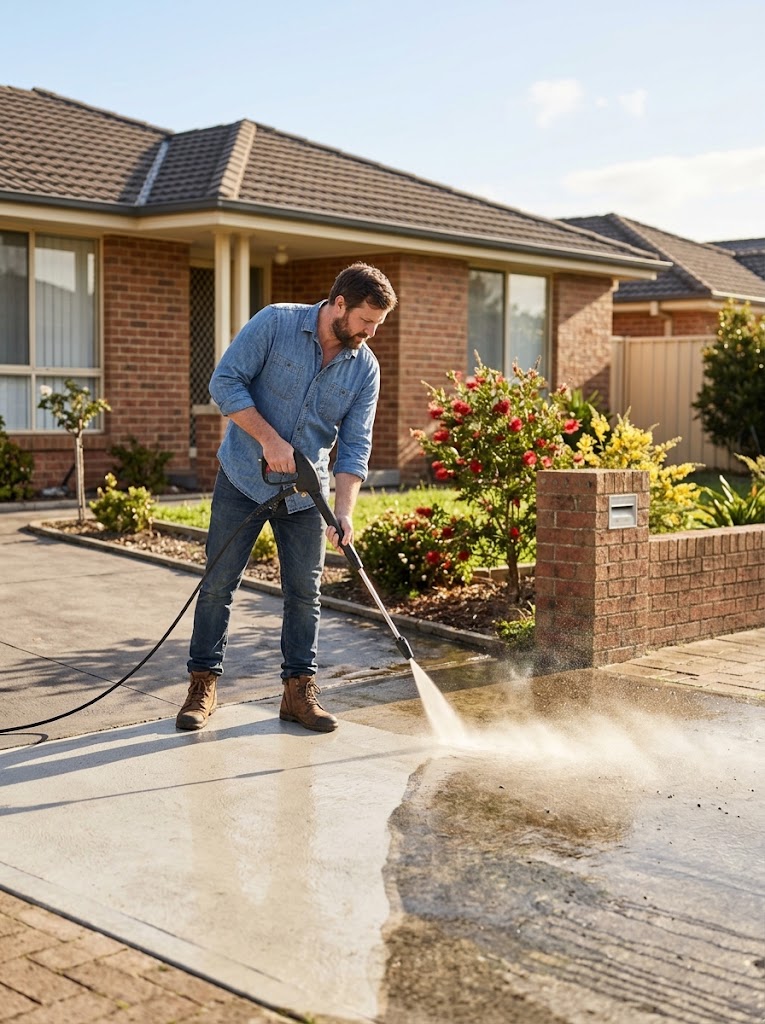
🧼 How Often Should You Pressure Wash Your Driveway and Outdoor Areas?
None of that happened on any particular day, which is exactly why nobody noticed. Grime, traffic film, algae and mould build so gradually that our eyes adjust along the way. The question is not whether outdoor surfaces get dirty in Sydney's climate, because they all do. The question is how often they need professional pressure washing to stay clean, safe and protected.
The honest answer: it depends on the surface, its exposure and what it is asked to endure, but there are reliable rhythms for each. Let us go area by area, so you can build a schedule that fits your property instead of guessing.
🚗 Driveways: Once a Year Is the Sensible Baseline
For most Sydney driveways, a professional pressure wash once a year keeps the surface clean, safe and presentable. Driveways carry a unique combination of punishment: tyre marks and traffic film, oil and fluid drips, leaf stains from overhanging trees, and the general grime that washes across them with every rain. Concrete is porous, so all of it settles into the surface a little deeper each month.
Some driveways need more than the baseline. A steep or shaded driveway that holds moisture grows algae faster and can justify a wash every six months, especially where slipperiness appears in wet weather. The quick test: if the surface changes colour noticeably when it rains, or feels slick underfoot on damp mornings, the buildup is already thick enough to matter. Stains from oil or rust are also easier to remove young, so treating them promptly beats waiting for the annual clean.
🚶 Paths, Entrances and Stairs: Let Safety Set the Frequency
Walkways deserve a different logic than driveways, because the cost of neglect is measured in slips, not stains. Shaded paths, tiled entrances and external stairs develop the thin film of algae and biofilm that turns dangerously slick the moment it rains. Sunny, well drained walkways may stay safe with an annual clean, while shaded, damp, high traffic routes often need attention two or even three times a year.
The frequency test here is simple: after rain, press a shoe onto the wet surface and twist gently. If it glides instead of gripping, the film is established and the next clean is due, whatever the calendar says. For strata buildings there is an extra reason to keep records: a documented cleaning schedule for common walkways shows the owners corporation actively managing a known slip risk, which matters enormously if an incident ever leads to questions.
🏠 Walls, Render and House Exteriors: Every One to Two Years
Building exteriors collect grime more slowly than ground surfaces, but they show it more publicly. Dust, traffic film, cobwebs, and green or black growth on the shaded side accumulate on render, brick and cladding until the whole building looks tired. For most properties, a soft wash every one to two years restores the exterior, and coastal properties often need the shorter end of that range because salt spray accelerates buildup noticeably.
One important note: walls, render and painted surfaces should not be blasted with the same high pressure used on concrete. Professional exterior cleaning uses lower pressure and appropriate cleaning solutions, called soft washing, to remove growth without driving water behind cladding or stripping paint. If you see grey green streaks on the southern side of your building, that is biological growth, and it will keep spreading until it is treated rather than just rinsed.
🪑 Outdoor Living Areas: Match the Clean to the Use
Patios, courtyards, pergolas and outdoor entertaining areas earn their schedule by how much life happens on them. A back patio used daily through summer collects food residue, barbecue grease, pot plant stains and foot traffic film, and rewards a clean at the start of each entertaining season. A rarely used side courtyard can wait for the annual property wash without complaint.
Timber decks deserve their own mention: they need gentler pressure than concrete and benefit from cleaning before any re oiling or sealing, so pairing the two jobs each spring makes practical sense. The seasonal logic applies everywhere in Sydney: a clean in early spring resets the space after winter's damp buildup, right before the months when you will use it most and guests will see it most.
🗑️ Bin Areas and Problem Corners: Little and Often
A few zones on every property earn more frequent attention than everything around them. Bin rooms and bin pads collect leachate, spills and odour causing residue that a quarterly or twice yearly pressure clean keeps under control, protecting both hygiene and the impression the area gives residents. The corners where wind piles leaves, the strip under a dripping air conditioner, the section of path below a fig tree: each develops buildup at several times the pace of the surrounding surfaces.
The efficient approach is a two speed schedule: the whole property on its annual or semi annual rhythm, plus a short list of hotspots serviced more often. This costs far less than upgrading the entire property to the hotspot frequency, and it prevents the classic pattern where ninety percent of the property looks fine while the bin corner quietly undoes the impression.
🌦️ Timing: The Best Months to Book It in Sydney
When you clean matters almost as much as how often. Early spring is the sweet spot for the annual property wash: it removes the algae and grime that winter's damp weeks deposited, and it resets the property right before the entertaining season and the strongest months of street appeal. Booking shaded walkway cleans just before the wetter stretches of the year means those surfaces enter the risky season with full grip.
Avoid the reactive pattern most properties fall into: booking a clean only after a slip, a complaint or a hard look from a valuer. By then the property has spent months below its standard, and the buildup is at its most stubborn. A calendar reminder each August, plus a quick check of the hotspots after storm periods, keeps the whole thing effortless and ahead of the problems it exists to prevent.
💡 Why Regular Beats Occasional (and Saves Money)
Pressure washing on a schedule is cheaper than pressure washing as a rescue. Fresh buildup sits on the surface and comes off easily. Buildup left for years bonds into the pores of concrete, feeds deeper biological growth and can stain permanently, which means longer jobs, harsher treatment and results that never quite reach the original colour. Surfaces maintained on a rhythm also age slower, because grime and growth hold moisture against the surface and accelerate weathering.
There is a presentation dividend too. Regular cleaning means your property never cycles through the shabby phase before each dramatic transformation. For homes, that protects street appeal and value. For strata buildings, it holds the standard residents judge every single day, and it avoids the burst of complaints that always seems to arrive just before the overdue clean finally gets booked.
📌 A Property Schedule You Can Copy and Adjust
Here is a realistic starting point for a typical Sydney property. Annually, ideally in spring: driveway, paths in open sun, house exterior check, and outdoor living areas. Every six months: shaded or slip prone walkways, steep driveways, and any surface that failed the wet shoe test. Quarterly to twice yearly: bin areas and the property's known hotspots. Every one to two years: full exterior soft wash, leaning toward yearly near the coast.
Then adjust with the two tests you now know: the colour change and slickness test for driveways, and the wet shoe twist test for walkways. Surfaces that fail get their next clean moved forward. Keep a simple note of what was cleaned and when, and within a year you will have a schedule tuned precisely to how your property actually gets dirty.
🏡 Final Thoughts
So, how often should you pressure wash your driveway and outdoor areas? Once a year for most driveways and open surfaces, every six months for shaded and slip prone zones, more often for bin areas and hotspots, and every one to two years for the building exterior, always adjusted by sun, shade, trees and traffic. The schedule matters more than the intensity: regular, well timed cleaning keeps surfaces safe, protects them from premature aging and costs less over time than occasional rescues.
And if you have not compared that old photo yet, do it. The difference between what your property looks like and what it could look like is usually one good clean away.
👉 Has your driveway, path or building exterior slowly lost its original colour? Click here to get a free quote and discover how professional pressure cleaning on the right schedule can restore your surfaces and keep them clean, safe and protected all year.